Introduction
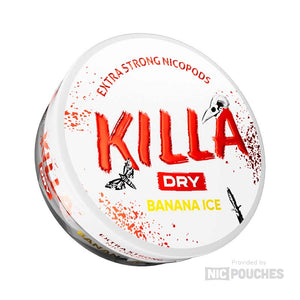
In recent years, the global market has witnessed a remarkable shift toward sustainability. Industries across the board are adopting practices that not only fulfill consumer demands but also contribute to environmental conservation. One such area of growing interest is the SNUS industry. Often overshadowed by other tobacco products, SNUS—particularly brands like Pablos Snus, Killa Snus, and Lyft Snus—has carved out a niche that combines tradition with innovation. As consumers become increasingly aware of their choices, understanding how the SNUS industry is addressing sustainability becomes essential.
This article delves deep into “Exploring Sustainable Practices in the SNUS Industry,” examining how various stakeholders are working towards eco-friendly solutions. From sourcing raw materials to packaging and waste management, each aspect contributes to a more sustainable future.
Understanding SNUS: A Brief Overview
What is SNUS?
SNUS is a moist, smokeless tobacco product originating from Sweden. Traditionally placed between the lip and gum, it offers a discreet way for users to enjoy nicotine without smoking. Unlike traditional chewing tobacco, which requires spitting, SNUS can be swallowed without issue.
How Does SNUS Work?
The primary mechanism of SNUS involves its nicotine content. When placed in the mouth, saliva interacts with the tobacco, releasing nicotine into the bloodstream through oral mucosa. This process allows users to experience a quick nicotine rush without combustion-related health risks.
Types of SNUS Products
There are various forms of SNUS available on the market today:
- Loose Snus: Traditional form; users can pinch off desired amounts. Snus Pouches: Pre-portioned for convenience; often flavored. Nicotine Pouches: Tobacco-free alternatives that still deliver nicotine.
Sustainability in Tobacco: An Overview
The Importance of Sustainability
Sustainability refers to meeting present needs without compromising future generations' ability to meet theirs. In industries like tobacco, this means responsible sourcing and production methods that https://snus-brand-jlht967513732891307078.almoheet-travel.com/what-makes-pablo-snus-a-top-choice-among-users minimize environmental footprints.
Environmental Impact of Traditional Tobacco Farming
Traditional tobacco farming has been linked to deforestation, soil degradation, and significant water usage. Moreover, chemical fertilizers and pesticides have detrimental effects on ecosystems.
Exploring Sustainable Practices in the SNUS Industry
Sourcing Raw Materials Responsibly
A critical component of sustainable practices in the SNUS industry lies in responsible sourcing. Companies are increasingly looking for ways to ensure that their raw materials are harvested sustainably, particularly regarding tobacco leaves.
Organic Tobacco Farming
Some brands have begun incorporating organic farming techniques into their production processes. Organic farming eliminates harmful chemicals and promotes biodiversity while ensuring higher-quality crops.
Fair Trade Practices
Fair trade initiatives help ensure that farmers receive fair compensation for their labor. This not only supports local economies but also encourages sustainable practices among growers.
Eco-Friendly Packaging Solutions
Reducing Plastic Waste
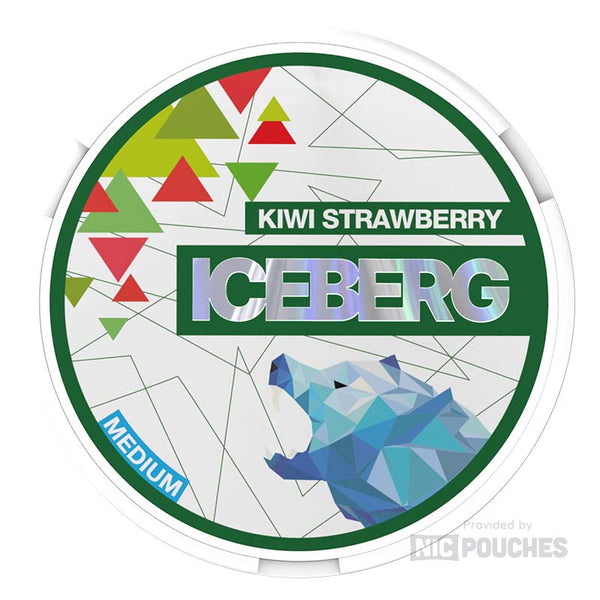
One area where many companies are focusing their sustainability efforts is packaging. With plastic pollution becoming an international crisis, brands like Nordic Spirit Snus and others are exploring biodegradable options.
Biodegradable Pouches
Innovations in biodegradable materials have led to pouch designs that break down naturally over time—reducing landfill contributions significantly.
Recyclable Packaging
Companies are also moving toward recyclable packaging options that encourage consumers to participate in waste reduction actively.
The Role of Technology in Promoting Sustainability
Innovations Driving Change
Technology plays a pivotal role in enhancing sustainable practices within the SNUS industry. From improved agricultural techniques to advanced manufacturing processes—innovation drives progress.
Precision Agriculture
Using drones and AI-powered tools enables farmers to monitor crop health accurately, allowing them to apply resources more efficiently and reduce waste.
Eco-Friendly Manufacturing Processes
Manufacturers are investing in cleaner technologies that lower emissions during production while optimizing resource use.
Consumer Awareness and Demand for Sustainability
The Rise of Conscious Consumption
As more consumers become aware of environmental issues, there’s an increasing demand for products aligned with their values—particularly young adults who often seek brands demonstrating social responsibility.
Brand Loyalty through Sustainability
Brands that prioritize sustainability often strengthen customer loyalty as they resonate with conscious consumers' values.
Challenges Facing Sustainable Practices in SNUS Industry
Balancing Profitability with Sustainability
While many companies want to adopt sustainable practices, profitability remains a concern—especially for smaller manufacturers who may find it challenging to afford greener options.
Market Competition
As larger corporations dominate market share, smaller brands aiming for sustainability may struggle against cheaper alternatives produced using conventional methods.
Case Studies: Brands Leading the Charge
Pablos Snus: A Model for Sustainability
Pablos Snus has taken significant strides towards eco-friendliness by implementing sustainable farming practices and utilizing biodegradable packaging solutions.
Killa Snus: Innovating Responsibly
Killa Snus focuses on creating products from responsibly sourced materials while promoting awareness about sustainable consumption among its user base.
Future Trends in Sustainable SNUS Production
Continuous Innovation Needed
As environmental concerns persist globally, continuous innovation will remain crucial within the industry—pushing boundaries further toward eco-friendly solutions.
Government Regulations
Governments may impose stricter regulations on tobacco products regarding sustainability; brands must prepare accordingly by staying ahead of compliance requirements.
FAQs About Sustainable Practices in the SNUS Industry
Is snus legal in the UK? Yes! While there are regulations regarding sales and advertising, snus is legal for personal use within certain limits.
Can you take snus on a plane? Generally speaking, yes! However, it's best always to check airline policies before flying.
What are nicotine pouches vs snus? Nicotine pouches contain no tobacco; they only deliver nicotine whereas traditional snus includes actual tobacco leaves.
How much does snus cost? Prices vary widely depending on brand quality; however popular options range from £3-£10 per pack depending on where you buy them online or at local stores like Tesco.
Are there benefits associated with using snus? Some potential benefits include reduced exposure risk compared to smoking due primarily being smoke-free; however individual experiences may vary greatly!
Can I buy free samples of snus? Yes! Many brands offer promotions allowing individuals access either through online ordering systems or events showcasing new flavors!
Conclusion
Sustainability is no longer just a buzzword; it's become imperative within industries worldwide—including the SNUS sector. As we’ve explored throughout this article on “Exploring Sustainable Practices in the SNUS Industry,” there’s significant momentum toward responsible sourcing methods along with eco-friendly packaging innovations designed specifically for today's conscious consumer landscape!
From understanding how brands like Pablos Snus implement these changes through innovative techniques all while maintaining profitability challenges faced by smaller entities—the road ahead holds great promise if everyone plays their part diligently! As consumers continue demanding transparency alongside environmentally sound choices—it's clear this will only deepen engagement levels both now & into future markets alike!